Natural Access to Wheeler Gorge Waterways Restored After Joint Construction Project


VENTURA COUNTY, Calif. (KEYT) – On Wednesday, local non-profit South Coast Habitat Restoration and the U.S. Forest Service officially announced the removal of four man-made creek barriers and the opening of two new bridges as part of a multi-million dollar restoration project at Wheeler Gorge.
The restorative project reconnected 13.3 miles of creek that have been isolated by the at-grade creek barriers for 48 years shared South Coast Habitat Restoration in a press release Thursday.
The project was a collaborative effort amongst Carpinteria-based South Coast Habitat Restoration, the Los Padres National Forest, the National Fish and Wildlife Foundation, the Wildlife Conservation Board, the California Department of Fish and Wildlife, and Patagonia.
The image below compares the former creek barrier on the left and the restored waterway beneath one of the two new bridges on the right.

"These improvements at Wheeler Gorge Campground serve both migrating fish and Forest visitor access. These bridges are an important investment in the ecology of the watershed and will facilitate recreation access for many years to come," explained District Ranger Marshall Alford with the Ojai Division of the Los Padres National Forest. "This kind of partnership and collaboration is a great example of how we can work together to maintain and improve these watersheds and Forest resources for current and future generations to explore and enjoy."

The former creek barriers allowed vehicles to access Wheeler Gorge Campground off Highway 33 and lies within the Los Padres National Forest while still letting waters run over the top.

According to the Los Padres National Forest, the creeks run through the campground in winter and spring and are usually dry in the summer.
Now, those waterways are restored to natural hydraulic conditions and are accessible to aquatic life moving upstream including the federally protected Steelhead trout which relies on access to freshwater locations as part of its spawning process. Something that sets it apart from other coastal rainbow trout.
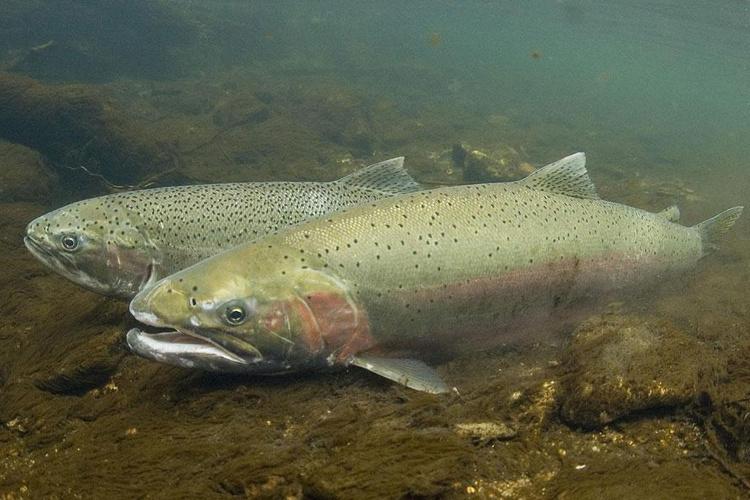
The historic range of the coastal rainbow trout stretched from the Kuskokwim River in Alaska to Baja California and today, the species is the most widely-distributed native trout noted the California Department of Fish and Wildlife.
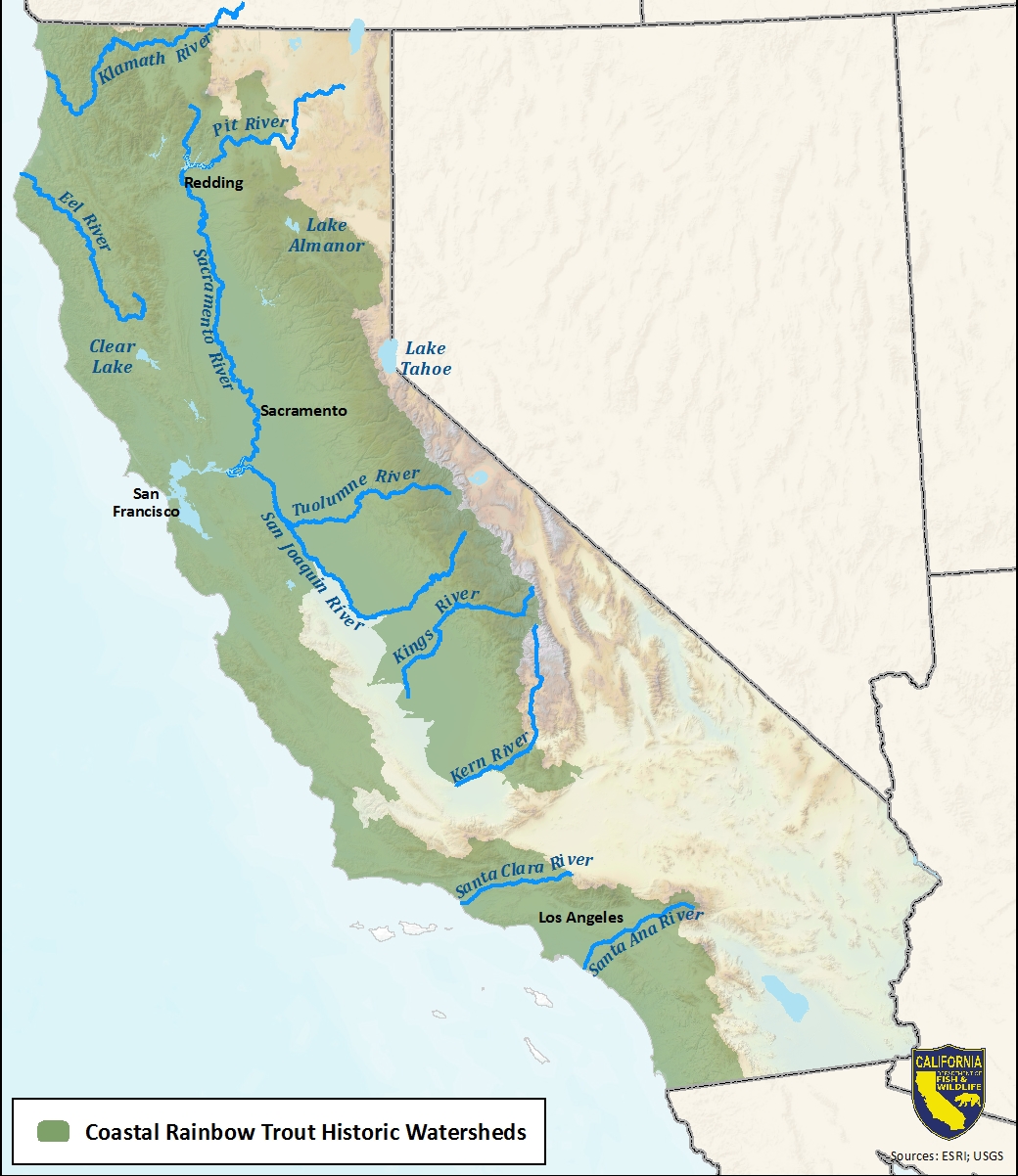
Restoring spawning locations in local waterways is a crucial element to strengthening the long-term health of the Steelhead population.

"One barrier at a time, we have been able to restore watersheds in Ventura and Santa Barbara counties in order to give creeks back to nature and increase the likelihood that the endangered Southern Steelhead Trout can repopulate its historic habitats," noted Mauricio Gomez, Executive Director of South Coast Habitat Restoration.
After the constructions projects were completed, the Ojai Valley Land Conservancy planted native plants that had been raised at a local nursery along the creek banks to shore up the restored waterways.

