How Dolly Parton’s ‘Light of a Clear Blue Morning’ reminds us why hope matters

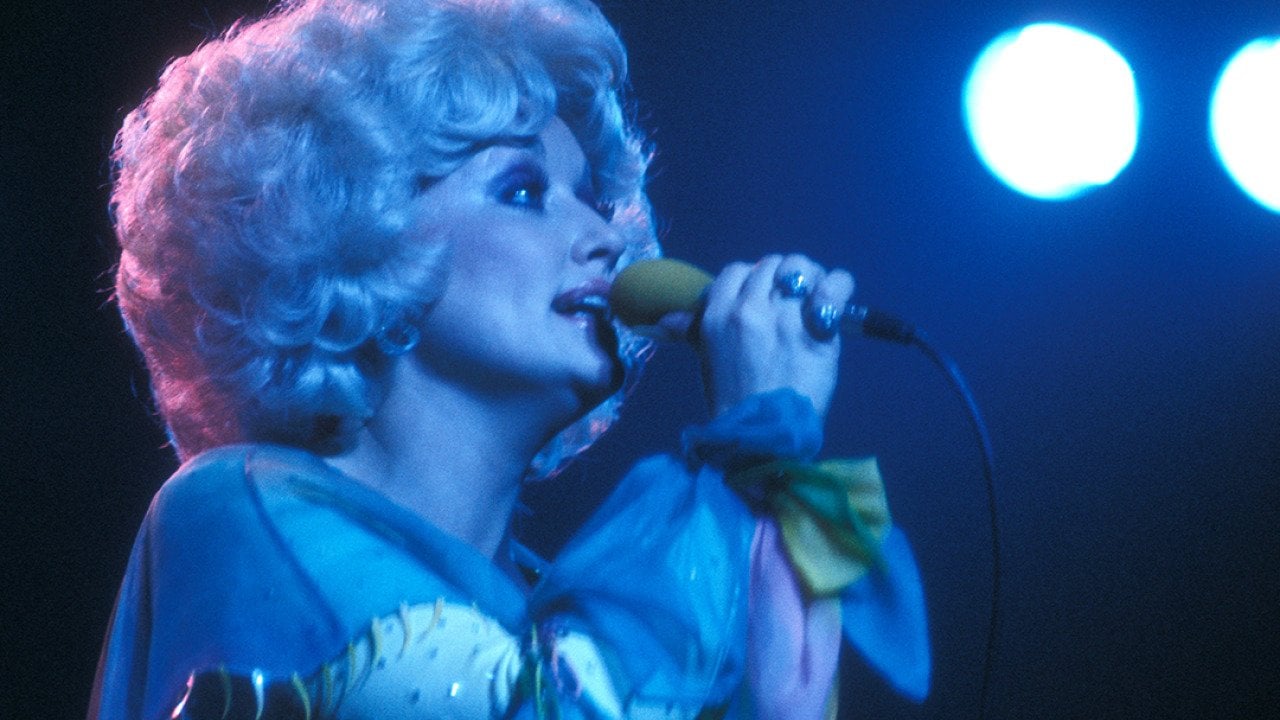
Christian Rose // Roger Viollet via Getty Images
Hope is more than just a feeling. It serves as a psychological anchor, provides a way to cope and acts as a force that influences how we move through difficult chapters. In the spirit of renewed optimism, Dolly Parton rereleased her beloved classic “Light of a Clear Blue Morning” in 2026, describing it as a song she originally wrote when she was “searching for hope.” A message, she says, “still feels just as true” 50 years later.
LifeStance Health reports how Parton’s message resonates with the core of positive psychology: Hope is a tool that helps us believe in possibilities beyond the present moment. Whether individuals are rebuilding after loss, navigating uncertainty or simply trying to make sense of the world, hope and optimism may fundamentally shift the emotional landscape of our lives.
Why hope is psychologically powerful
When Parton wrote “Light of a Clear Blue Morning” in 1976, she was emerging from a painful professional rupture and needed reassurance that things would get better. She has called the song her “song of deliverance,” a reflection of finally seeing the metaphorical sun after a long, dark night.
Some modern mental health research supports what Parton captured emotionally.
1. Hope reduces feelings of helplessness
People who maintain hope during difficult circumstances experience lower levels of anxiety and depression. Hope helps individuals feel more capable of facing challenges.
2. Optimism strengthens emotional resilience
Optimistic people aren’t blindly positive; they believe they can influence outcomes. That belief improves coping strategies and stress tolerance.
3. Hope encourages forward movement
Parton herself described the new version as her way of “shining a little light forward.” When individuals expect the possibility of a better tomorrow, they’re more likely to take steps that make that tomorrow real.
The symbolism of a ‘Clear Blue Morning’
The imagery in the song, darkness lifting, a horizon opening, reflects how our brains respond to hope. Symbolic representations of light have long aligned with psychological renewal. When Parton revisits this song in 2026 with a message of reassurance, she taps into a universal emotional truth: recognizing the start of a new chapter may be profoundly healing.
How music reinforces hope
The new version of the song features Lainey Wilson, Miley Cyrus, Queen Latifah and Reba McEntire; voices that add dimension, emotional warmth and generational harmony. Parton has emphasized that these collaborators help her “bring that hope to life again.”
Psychologically, this matters:
- Music activates emotional memory. Songs tied to resilience can help revive emotional strength felt before.
- Harmonies enhance emotional bonding. Hearing multiple voices join in one message can increase feelings of unity and shared humanity.
- Lyrics offer cognitive reframing. Lines like, “I can see the light of a clear blue morning” may encourage listeners to imagine relief and renewal, which can help reshape emotional patterns.
Hope as an ongoing practice
Hope is a skill that can be cultivated. Here’s how many individuals intentionally nurture hope and optimism.
1. Look for ‘clear blue morning’ moments
Identify small signs of progress. These markers retrain the brain to anticipate good outcomes.
2. Revisit stories of resilience
Parton’s own journey, turning pain into creativity and reconnecting with her song 50 years later, shows how experiences can transform over time.
3. Use music as emotional scaffolding
Choose songs that help with feeling grounded, uplifted or understood. Music can be a therapeutic tool for emotional regulation.
4. Share hope with others
Just as Parton invited multiple artists to carry this song’s message forward, expressing hope aloud can strengthen it for the individual and the people around them.
A new morning for all
Dolly Parton’s 2026 rerelease of “Light of a Clear Blue Morning” feels less like a nostalgic tribute and more like a reminder that hope is timeless, renewable and worth tending to, regardless of age.
References to Dolly Parton and other artists in this article are for informational and cultural context only. LifeStance does not endorse or promote any specific artist, song, or musical work.
This story was produced by LifeStance Health and reviewed and distributed by Stacker.

